In this article
I found a can behind the ice trays a while back. Berry Sangria, bought for a trip that got rained out, shoved to the back of the fridge and forgotten through an entire winter.
The question you ask in that moment is a real one, and it turns out most people are asking a slightly wrong version of it.
How long does canned wine last?
Island Grove puts 12 to 18 months on a sealed can. That’s the number, and it’s a good one for the format.
But it’s a quality window, not a safety cliff. Nothing happens on the last day. The wine doesn’t turn — it just stops being the thing you paid for, slowly, starting with the fruit. That’s the honest version of every date printed on every bottle and can you own.
Mine was well inside the window and it was fine. It was also in a fridge, which turns out to be the part that mattered.
Does canned wine actually go bad?
Not the way milk goes bad.
Wine that’s past its best goes flat and dull. The bright fruit is the first thing to leave, then the aromatics, and what’s left is thin and a bit tired. You’ll know because it’s boring, not because it’s dangerous.
The exception is damage rather than age. If a can is bulging or leaking, or something smells genuinely wrong when you crack it, don’t drink it and don’t overthink it. That’s a can that took a hit or got cooked, and it’s a different problem to the calendar.
Where you keep it matters more than the date
Here’s the part I’d actually pay attention to, especially here.
Heat is what runs the clock. Not time on its own — heat. A can kept somewhere cool will comfortably see out its window, and the same can kept somewhere hot will be tired long before the date says it should be. Light is the other enemy, and that one the can already solved for you: aluminum blocks it completely, which is more than a clear glass bottle can say.
That isn’t just a feeling about Florida, either. Purdue’s enology extension puts numbers on it: their wine storage guidelines say anything above 60°F starts accelerating a wine, cap one-to-four-week storage at 75°F, and state that wine should never see even short-term exposure to 86°F or above. They also name temperature fluctuation, not just heat, as one of the two biggest storage hazards. That’s written for cellars and shipping containers, but it describes an uninsulated garage in July precisely.
So the question isn’t really how long. It’s where.
| Where you keep it | How it holds up |
|---|---|
| Fridge | Best. Steady and cold, full window, no thinking required |
| Interior cupboard or pantry | Fine. Stable, dark, and away from the stove |
| Garage | Not in Florida. Months of sustained heat is the fastest way to age a wine badly |
| Car | No. A closed car in an August parking lot is an oven, and a couple of hours in there does real damage |
The garage one catches people out, because a garage feels like storage. It’s where the spare fridge lives and where the case of anything ends up. But an uninsulated Florida garage spends half the year somewhere between warm and brutal, and that’s the single worst thing you can do to wine short of leaving it on a dashboard.
Does it need to be refrigerated?
No. It’s sealed and it’s lightproof, so a cupboard is perfectly good.
The fridge is better, though, and not for safety reasons — it’s just that a fridge holds one temperature and a Florida pantry doesn’t. The other advantage is obvious once you’ve been caught out: cold cans are ready cans. I went into how to keep wine cold once you’re outside separately, but the easiest version is to not let it get warm in the first place.
What about once it’s open?
Realistically? Drink it.
A 250mL can is a generous glass and a half. It isn’t a bottle and it doesn’t come with a bottle’s leftovers problem — that’s most of the argument for the format in the first place. There’s no cork to put back and no half-full bottle sweating on the counter.
If you genuinely have to save some, pour it into something with a lid, put it in the fridge, and drink it the same day. Once air gets to wine the countdown is hours, not days, and an open can sitting out is the fastest version of that.
What about the bottles?
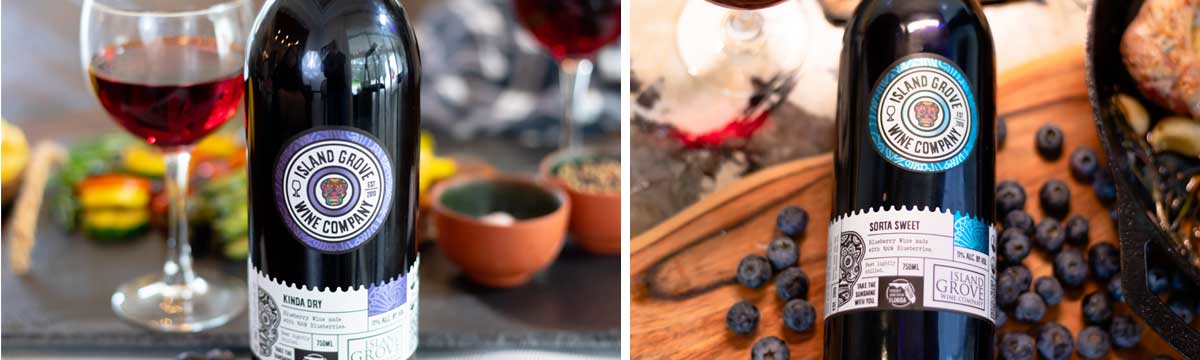
Most of this holds for the Kinda Dry and Sorta Sweet too, with one difference that matters.
Heat is still the thing that ages them, and a garage is still the wrong answer. But a bottle doesn’t have the can’s advantage on light. Aluminum blocks it completely; glass doesn’t, and light does real damage to wine over time. So a bottle wants a dark cupboard in a way a can doesn’t strictly need one — not a windowsill, and not the counter next to the stove, which is the warmest spot in most kitchens and where the good bottle somehow always ends up.
The other difference is at the other end. A bottle is a commitment once it’s open, where a can isn’t, and that changes how you should buy. If you’re the household that opens a bottle on a Friday and finds it again on Tuesday, the cans aren’t a downgrade — they’re the format that matches how you actually drink.
Should you be aging it?
No, and that isn’t a criticism.
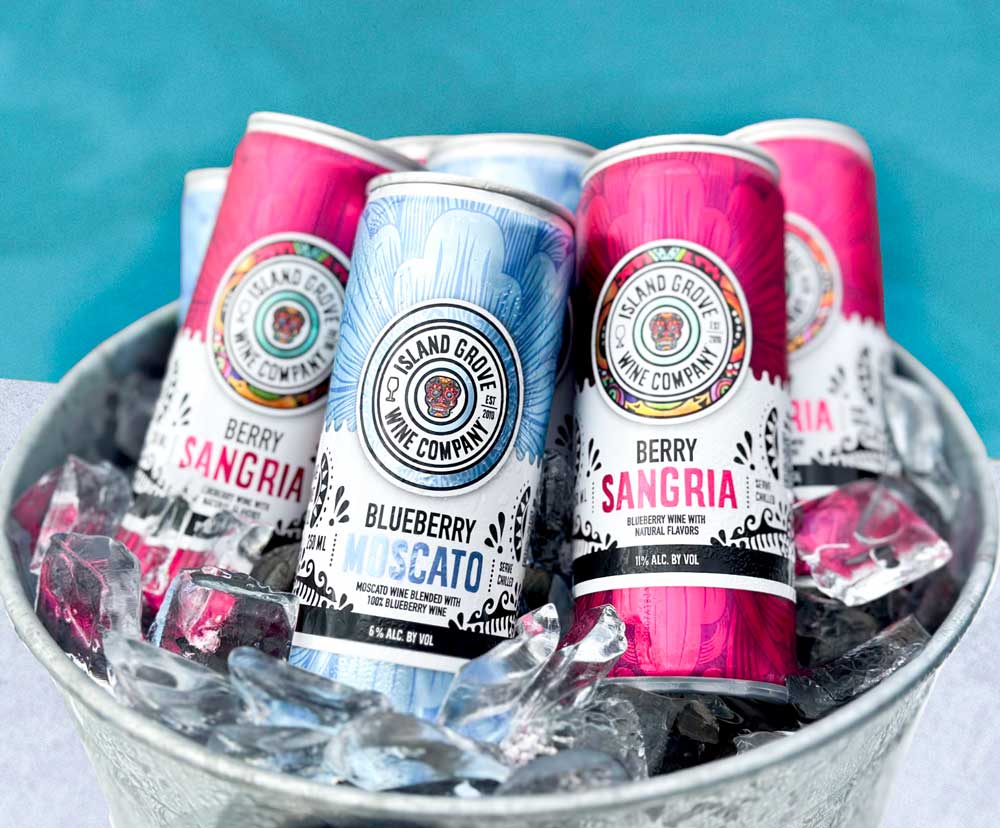
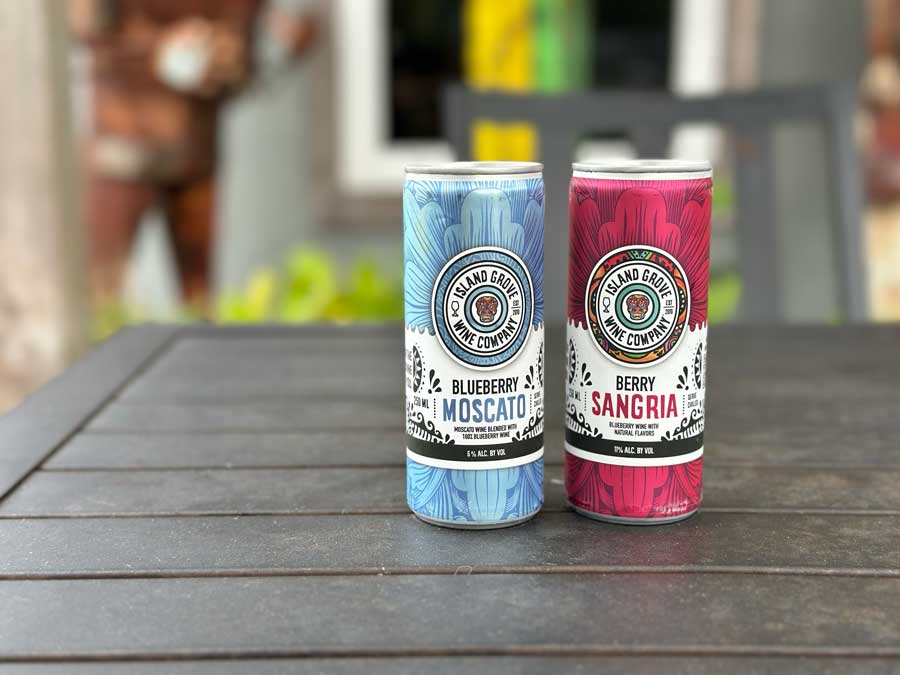
The Blueberry Moscato and the Berry Sangria are made to be drunk now, while the fruit is loud and the whole thing tastes like the season it came from. Putting one away for three years doesn’t make it better. It makes it a worse version of what it already was.
That’s true of the overwhelming majority of wine, incidentally, including plenty that arrives in heavy bottles with serious labels. Very little of it is built to improve in a cupboard. The cans are just honest about it.
The practical version
Buy what you’ll get through in a season. Keep it in the fridge if there’s room and an interior cupboard if there isn’t. Keep it out of the garage and out of the car. Check the date if you like, but check where it’s been sitting first, because that’s the number that actually moved.
And if you find one behind the ice trays in February — it’s almost certainly fine. Drink it outside.
Common questions
How long does canned wine last?
Island Grove puts 12 to 18 months on a sealed can. That is a quality window rather than a safety cliff: the wine does not turn dangerous on the last day, it just stops being as good as it was. Stored somewhere cool and dark, it will hold that window comfortably.
Does canned wine need to be refrigerated?
No, but cold is kinder to it. A can is sealed and lightproof, so a cupboard is fine. The fridge is better because heat is what actually runs the clock down, and a fridge holds a steady temperature that a Florida pantry does not.
Does canned wine go bad?
Not the way milk goes bad. Past its window it goes flat and dull rather than unsafe, losing the fruit first. Heat is what gets there fastest. If a can is bulging, leaking, or smells wrong when you open it, do not drink it, but that is damage rather than age.
Can you store canned wine in the garage?
In Florida, no. A garage swings from warm to genuinely hot and stays there for months, and sustained heat ages wine faster than anything else you can do to it. An interior cupboard is better than a garage, and the fridge is better than both.