In this article
There are two sangrias on the shelf and they cost the same, weigh the same, and carry the same alcohol. Both light-bodied, both 750mL, both 11%, both $13.50.
Which is a genuinely annoying way to have to choose, because the label doesn’t tell you the thing you actually want to know.
So here’s the thing you actually want to know: one is sweet and one is semi-sweet, and everything else follows from that.
What’s the difference between Berry and White Sangria?
Berry goes citrus first. Island Grove’s own notes list luscious citrus, fruit and sweet blueberries, and it lands semi-sweet. White goes tropical — pineapple, peaches, mangos — and lands properly sweet.
That’s the whole decision in one line. Everything below is just detail.
| Berry Sangria | White Sangria | |
|---|---|---|
| Leads with | Citrus, fruit, sweet blueberries | Pineapple, peach, mango |
| Sweetness | Semi-sweet | Sweet |
| Body | Light | Light |
| ABV | 11% | 11% |
| Bottle | 750mL, $13.50 | 750mL, $13.50 |
| Also in cans? | Yes — 250mL, 4-packs | No, bottle only |
| Hand it to | Someone who drinks wine already | Someone who says they don’t like wine |
Berry: the one with an edge
The Berry Sangria is the one I reach for, and it’s the citrus that does it.
The blueberry is in there and it’s the thing that makes it an Island Grove product rather than a generic red sangria, but it isn’t the first thing you taste. Lemon and lime arrive ahead of it. That brightness is what stops it from being cloying, and it’s why the semi-sweet finish reads as balanced instead of sugary.
It’s the one that holds up next to food with salt in it. Grilled shrimp, a sharp cheese, anything you’d squeeze a lime over anyway.
White: the crowd-pleaser
The White Sangria is a different job entirely, and Island Grove is refreshingly blunt about who it’s for — their own description calls it pleasing to the novice sipper.
Pineapple, peaches and mangos, sweet and fruit-forward, and it goes down without asking anything of you. That’s a real skill. Everybody has that one friend who announces they don’t like wine at every gathering, and this is the glass that quietly ends that conversation.
I’d pour it colder than you think, for the same reason you’d chill a Moscato hard: cold keeps sweet wines honest. I went into what each Island Grove wine actually wants temperature-wise if you want the full breakdown.
Wait, isn’t sangria supposed to be a project?
Traditionally, yes. Sangria is a thing you make: open a bottle of something ordinary, chop up whatever citrus is going soft in the bowl, add a splash of brandy, then leave it in the fridge overnight so the fruit has time to give something up. It’s good. It’s also a plan you have to make the day before. The citrus isn’t optional, either: the EU’s own definition of sangria is wine aromatised with citrus fruit, spices allowed, and over there only Spain and Portugal get to put the bare word on a label.
These aren’t that. Both of these are fruit wines that arrive already blended — the fruit is in the wine, not floating in it — so there’s no steeping, no chopping, and no eleven o’clock realization that you forgot to start it.
You can absolutely still throw a wheel of orange in the glass, and I do, because it looks like summer. But it’s decoration at that point rather than a step. The work is done.
The part that probably decides it
Only one of them comes in a can.
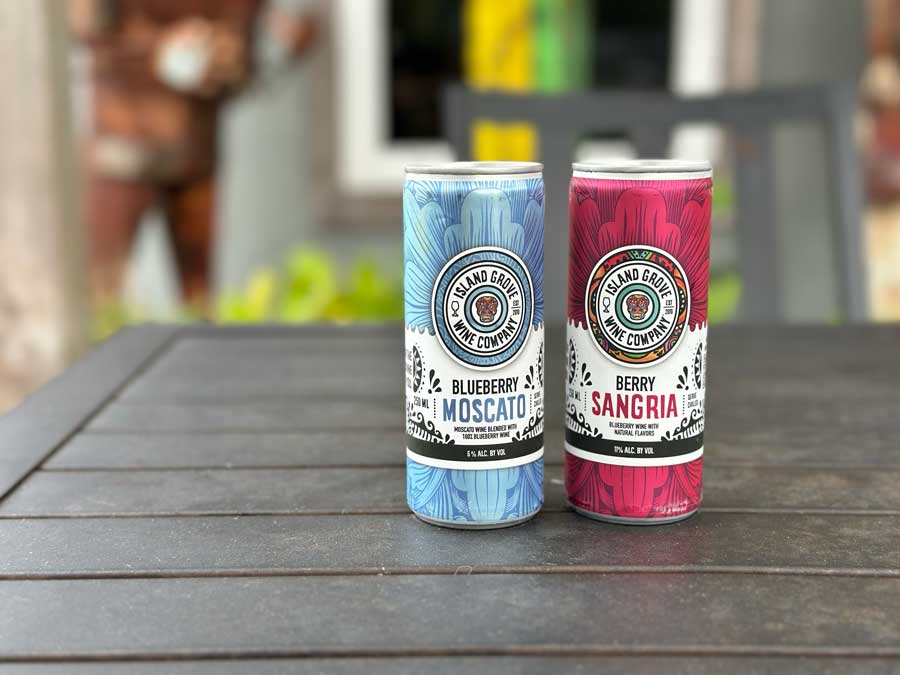
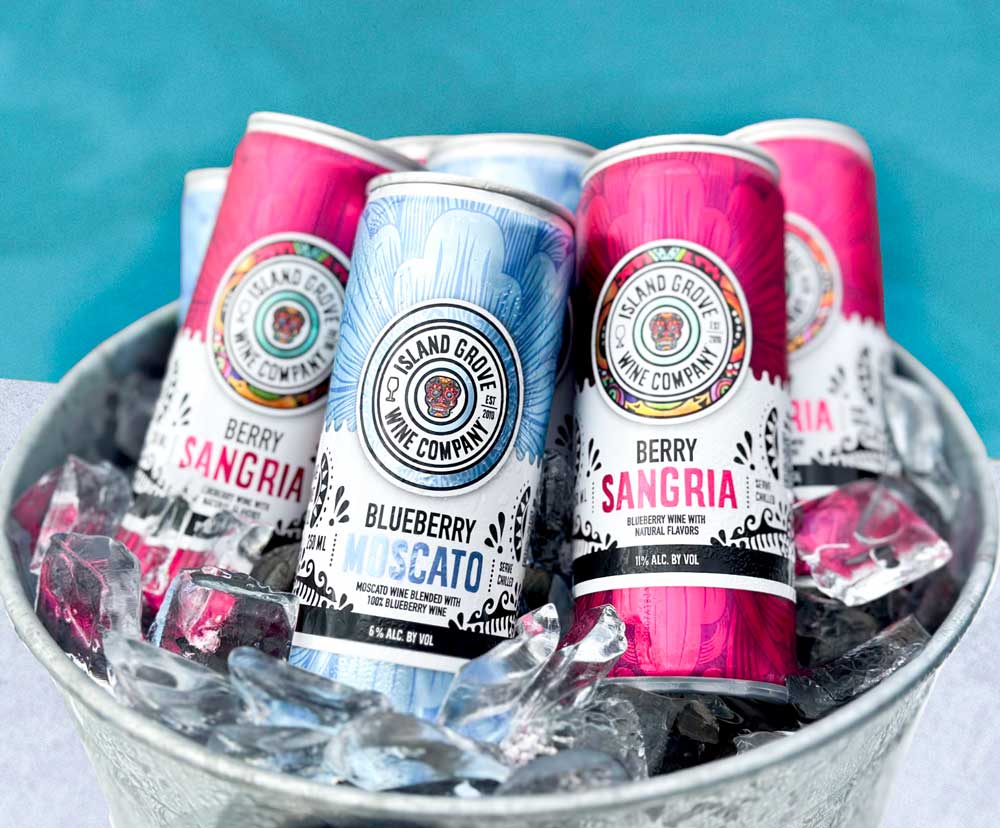
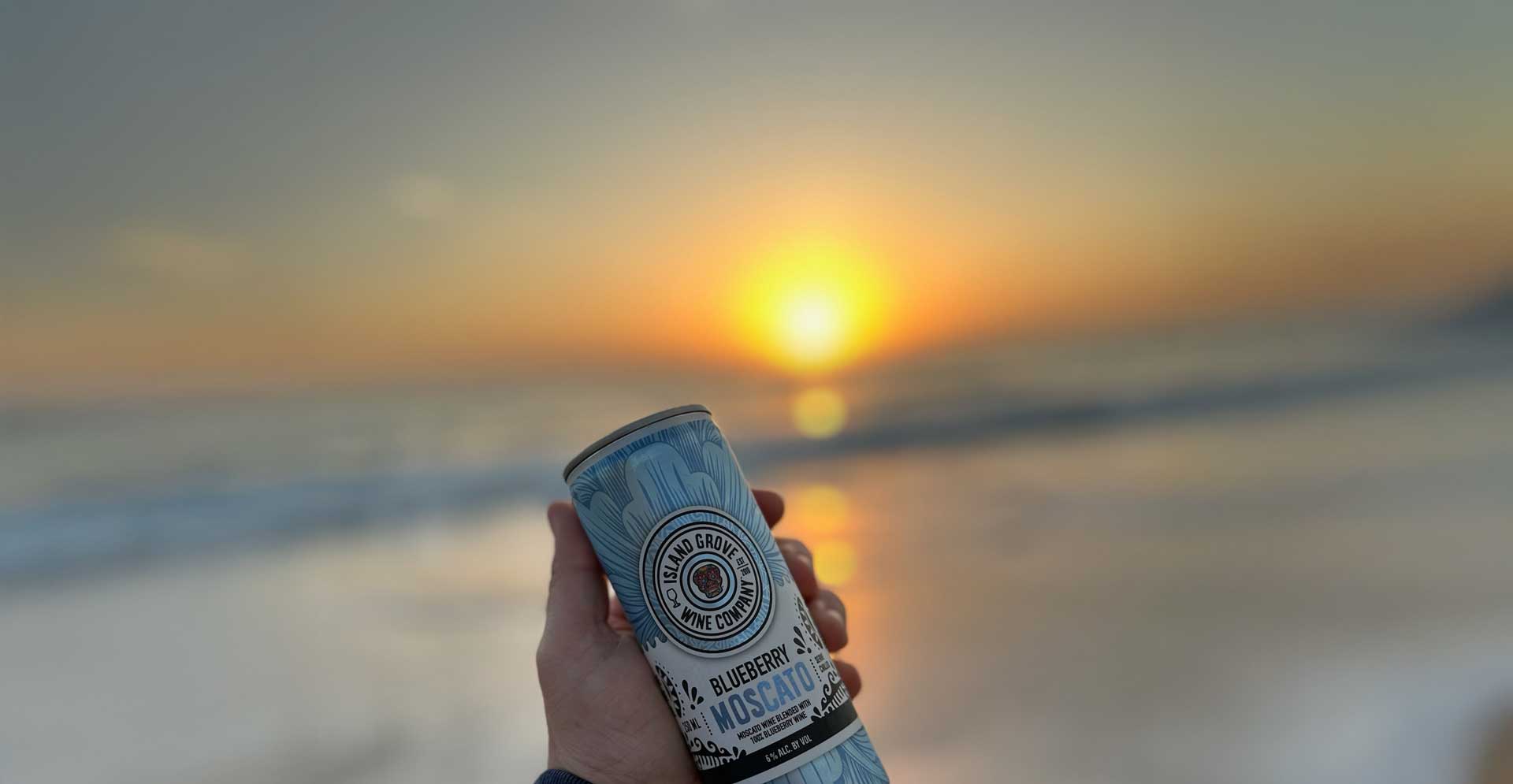
The Berry is available in 250mL cans, sold in 4-packs. The White is bottle only. And if you’re reading this because you’re packing for the sandbar or the boat ramp or a pool with a no-glass sign on the gate, that settles it before taste ever enters into it.
I’ve made the case for the can at length elsewhere, and I won’t do it again here. The short version is that outside is where the bottle stops being the better object, and the sangria is the wine where that matters most, because sangria is an outdoor drink by temperament.
If it’s a table and a kitchen and people sitting down, buy whichever one suits the room. If it’s a cooler, the choice has already been made for you.
Serve it over ice. Genuinely.
Island Grove says to put the Berry over ice, which is the kind of instruction that makes wine people twitch and is completely correct.
Sangria is built for it. It’s a fruit-forward, light-bodied, semi-sweet drink designed to be refreshing rather than contemplated, and a melting cube softens it instead of wrecking it. Half the reason a warm glass of sangria disappoints is that it was never meant to be warm.
Same goes for the White, and if anything more so, because there’s more sugar to cut.
What to put next to each one
The sweetness split decides this too.
Berry wants salt and char. Grilled shrimp, blackened fish, chicken off the grill with a lime squeezed over it. Sharp cheese and crackers. The citrus cuts through fat and the semi-sweet finish handles a bit of heat, so it’s the one I’d take to a cookout where the food is coming off a grate.
White goes the other direction. It’s sweet enough to sit next to fruit without losing, so a cheese board with something soft on it, prosciutto and melon, a bowl of cold cut fruit in the afternoon. It also holds up to genuinely spicy food better than the Berry does, which is the usual trick with sweet wine — sugar is what takes the edge off heat.
Both work with nothing at all, which is the honest truth about sangria and part of why people like it.
So which one?
If you already drink wine and you want something with a bit of structure to it, take the Berry. The citrus gives it somewhere to go.
If you’re pouring for a group, or for one specific person who has opinions about wine and none of them are positive, take the White. It’s the more generous bottle.
And if there’s a cooler involved, take the Berry in cans and stop thinking about it. That’s the answer most weekends around here, which is probably why there’s usually a 4-pack in my fridge and a bottle of the White in the cupboard for when people come over.
Common questions
What is the difference between Berry and White Sangria?
Berry leads with citrus and blueberry and finishes semi-sweet. White leads with pineapple, peach and mango and finishes sweet. Both are light-bodied, both are 11% ABV, and both are the same price in a 750mL bottle. The sweetness is the real difference, and it decides most of the rest.
Which sangria is sweeter?
The White. Island Grove describes it as sweet and fruit-forward, and the Berry as semi-sweet. If you are pouring for someone who says they do not like wine, the White is the safer hand-off. If you want something with a bit more edge to it, take the Berry.
Does Island Grove sangria come in cans?
The Berry does, in 250mL cans sold in 4-packs. The White is bottle only. If the plan involves a cooler, a boat, or anywhere glass is a bad idea, that answers the question for you regardless of which one you prefer at the table.
Should sangria be served over ice?
Yes, and that is not a compromise. Island Grove says to serve the Berry over ice, which is unusual for wine and normal for sangria. It is built for dilution, so a melting cube softens it rather than ruining it.